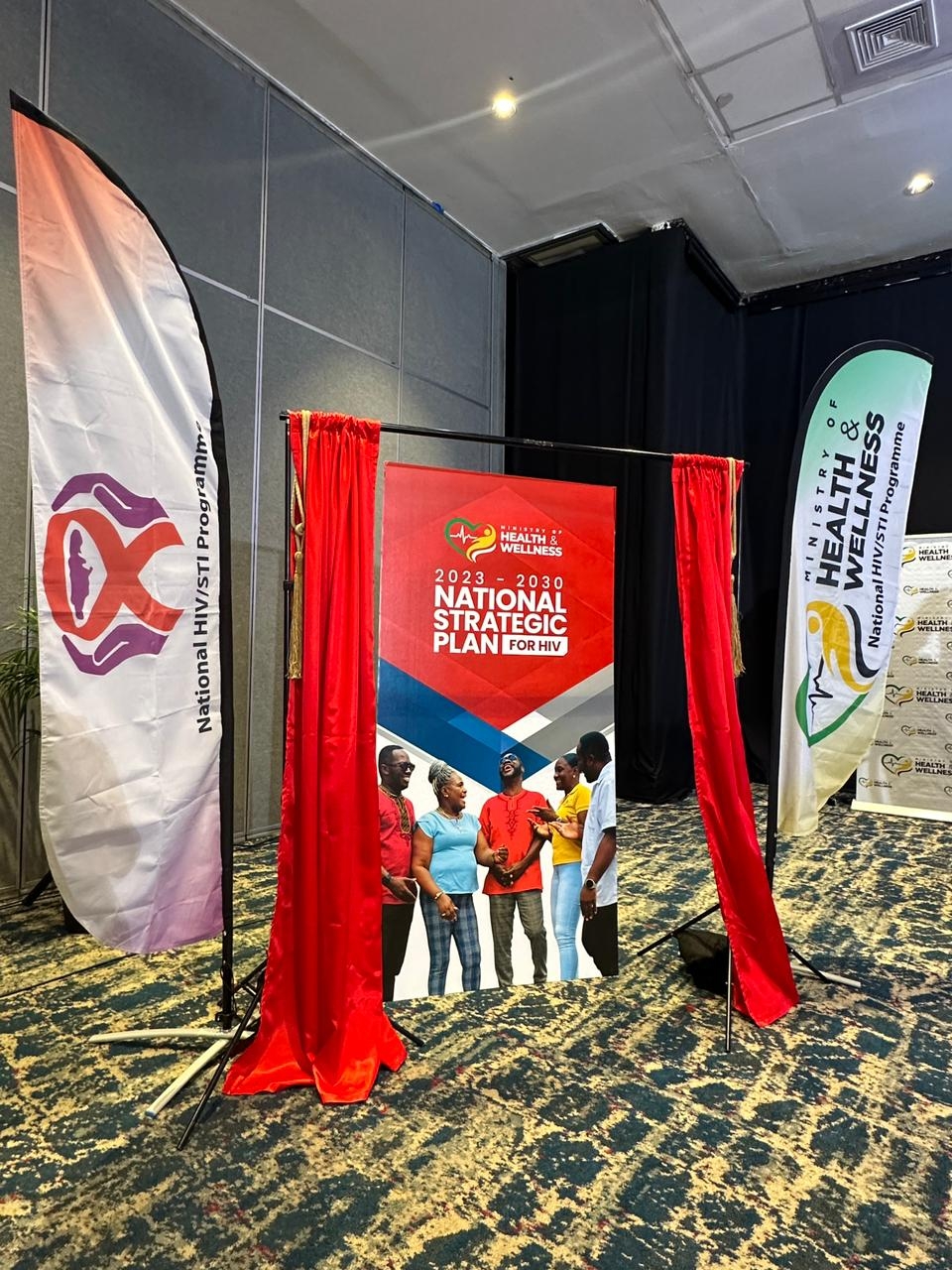
Health Ministry eyes reduction in new HIV infections as Strategic Plan is launched
Author: MOHW
February 10, 2026
The Ministry of Health & Wellness (MOHW) has launched Jamaica’s National Strategic Plan for HIV (2023–2030), marking a decisive step in strengthening the response to HIV. The Plan outlines steps towards reducing new HIV infections by 40 per cent by 2030.
Delivering the keynote address today (February 9) at a ceremony to mark the occasion, Minister of State, the Hon. Krystal Lee, MP, underscored that the National Strategic Plan is a clear roadmap to achieving epidemic control.
“Our prevalence rate stands at around 1.1 per cent and an estimated 28,000 people are living with HIV. Our response then must be broader and more impactful than ever before. The vision is for a Jamaica free of new HIV infections and AIDS. This National Strategic Plan is grounded in shared responsibility, human rights, and sustainability,” the State Minister said.
Jamaica has made significant gains in its HIV response, including a 35 per cent reduction in new infections since 2010, high levels of HIV status awareness, and the elimination of mother-to-child transmission of HIV and syphilis in 2024. At the same time, challenges including high rates of sexual activity among adolescents, and stigma and discrimination continue to fuel gaps in service.
“We will scale the prevention tools that work: condoms, targeted outreach, HIV testing and self-testing, post‑exposure prophylaxis, and pre‑exposure prophylaxis for those at substantial risk,” the State Minister noted, emphasising the human impact of sustained public health action.
The launch of the National Strategic Plan for HIV (2023–2030) sets the stage for a powerful start to Safer Sex Week, observed February 9 –13, 2026 under the theme, “Tek Charge: Safer Sex with Endless Possibilities!” The Ministry calls on all Jamaicans to “Tek Charge” to make informed choices, protect themselves and their partners, and contribute to a healthier, more resilient nation.
Individuals are encouraged to use condoms consistently and correctly; know their HIV status through regular testing and reduce the number of sexual partners. Adolescents are further urged to delay sexual debut. Members of the public are advised to seek accurate information from trusted health sources and access prevention, treatment, and counselling services early.